
"Burundi coffee regions"
300 article(s) found

What are the coffee producing areas in Burundi? What are the flavor characteristics of Burundi Bwayi microbatches?
Professional coffee knowledge exchange More coffee bean information Please pay attention to the characteristics of coffee workshop (Weixin Official Accounts cafe_style) Burundi coffee: Burundi (Burundi) has the most diverse and successful coffee industry in the world, and has its own characteristics. Burundi coffee has a strong aroma and excellent acidity. Flavor: Full-bodied, aromatic, acidic

A brief introduction to the treatment method of grinding degree and baking degree of Burundian boutique coffee beans with fruit flavor
Recommended baking method: moderate to deep baking ★★: good there are two major ethnic groups in Burundi, and only about 15% of the Tutsi have ruled the country since the 16th century, controlling the civilian population, which is mainly made up of Hutu, plus a very rare aboriginal Twa. Does this kind of minority occupy a high position?

A brief introduction to the Market Price of Burundian Fine Coffee Bean varieties with strong aroma
There are two major ethnic groups in Burundi, and only about 15 percent of the Tutsi have ruled the country since the 16th century, controlling the civilian population, which is mainly made up of Hutu, plus a very small number of indigenous Twa. This abnormal social structure in which ethnic minorities occupy a high position has buried the evil seed of national instability, and in 1

Burundi Coffee Bean Flavor Description Taste Manor Area Treatment Grinding Scale Introduction
Burundi Coffee Bean Flavor Description Taste Estate Regional Treatment GrindingScale Introduction Sustainability is a common theme in the specialty coffee industry, yet most coffee companies still want to be able to get the best coffee at the lowest price, which is not sustainable behavior for local growers. What are our solutions to this? First, we need to understand

Gaterama Manor Gatruma, Burundi introduces the characteristics of Burundian coffee
Professional coffee knowledge exchange more coffee bean information please follow the coffee workshop (Wechat official account cafe_style) Burundian individual coffee bean is a naturally processed bourbon grown in the Gaterama washing station in the Gitga region. Growing at an altitude of about 1700-1900 meters above sea level, only the most mature cherries are used for processing. Bourbon is the parent company of many Arabian coffee varieties

Burundi Coffee Flavor Description Grindness Characteristics Variety Producing Area Taste Fine Coffee Introduction
Burundi coffee was introduced by Belgian colonists in 1930. Unfortunately, many of these farms are located on the border with war-torn Rwanda, putting pressure on coffee production. Coffee in Burundi: Burundi Coffee is now grown only on small farms. Coffee produced in Burundi is almost exclusively Arabica beans.

Introduction to the quality characteristics of Burundian coffee beans by describing the characteristics and flavor
Burundian boutique coffee beans introduce many highlands and mountains in Burundi, most of which are composed of the plateau on the east side of the East African Rift Valley, with a national average elevation of 1600 meters, known as a mountain country. According to the topography of Burundi, it can be divided into three regions: the western plain, along the Ruzizi River, the Rift Albrtine plain, 774 to 1000 meters above sea level, and the central and western mountains, with an average elevation of 1700 meters.

Introduction to the characteristics of the manor producing area of Burundian boutique coffee beans
There are many plateaus and mountains in Burundi, most of which are made up of the plateau on the east side of the East African Rift Valley. The national average elevation is 1600 meters, which is known as the mountain country. According to the topography of Burundi, it can be divided into three regions: the western plain, along the Ruzizi River, the Rift Albrtine plain, 774 to 1000 meters above sea level; and the central and western mountains, with an average elevation of 1700 meters, with the highest peak in Bujumbura.

Flavors of Burundi in Africa
Burundi, located in the interior of Africa, has a land area of only 28,000 square kilometers, but 90% of the people whose main income is agriculture, of which coffee is the largest. Burundi's geographical environment is very suitable for coffee cultivation, bordering Rwanda in the north, Tanzania in the east and south, Congo (DRC) in the west and Lake Tanganyika in the southwest

Characteristics of Burundian Coffee Flavor Variety Grinding scale Flavor description region
Characteristics of Burundian Coffee Flavor Variety Grinding scale Flavor description Burundian (Burundi) has the most diverse and successful coffee industry in the world, and has its own characteristics. Coffee in this country was introduced by Belgian colonists in 1930 and is now grown only on small farms. Unfortunately, many of these farms are on the border with war-torn Rwanda.
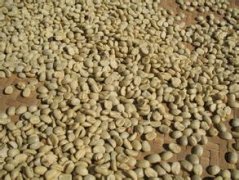
A brief introduction to the description of the flavor, taste and aroma characteristics of fine Burundian coffee beans with mellow taste
Burundian coffee market: most of Burundi's coffee products are exported to the United States, Germany, Finland and Japan. Lake Tanganyika is longitudinally striped from north to south, 670km long and only 48-70km wide from east to west. It is the narrowest lake in the world, with a surface area of about 32900 square kilometers. It is the second largest lake in Africa (the largest lake is Lake Victoria L.Victoria), with an elevation of the lake.

A brief introduction to the flavor, taste and aroma characteristics of Burundian boutique coffee beans
There are many hippos and crocodiles in the lake, and there are many kinds of birds. There are more than 300 kinds of fish in the lake, among which the African crucian carp is the most famous. Developed water transport, there are Kighoma, Ugiji, Kalemi, Uvira, Bujumbura and other lake ports. There are many crocodiles and hippos in the lake, surrounded by elephants, antelopes, lions, giraffes and other animals endemic to Africa. The lake is rich in fish and all kinds of waterbirds, which is a good day.

Introduction of coffee beans at Gaterama Gatruma Manor in Burundi. How can Burundian coffee be made good?
Professional coffee knowledge exchange more coffee bean information please follow the coffee workshop (Wechat official account cafe_style) CREMA TREKKERS: explore MUYANGE Burundian NKONGWE HILL Nkongwe Hill,Muytange Burundian single origin Burundian coffee bean varieties introduction Burundian single-source coffee beans are natural bourbon species, grown in Gaterama processing plant

Fruit flavor of Burundi coffee producing area Elevation characteristics Flavor price Variety taste grind Introduction
Country of manufacture: Burundi Grade: AA, FWS Region of cultivation: Buyendi Brand: Buyendi Method of treatment: Wet treatment Appearance: 1d/300gr, 16-18SCR Variety: Jackson Bourbon coffee has a strong taste, so you can't drink three or four cups in a row like tea or cola, but the official coffee cup is the best. Coffee is 80-100cc.

Burundi Coffee Burundi Coffee Country Introduction
Aromatic, mild coffee from war-torn areas. Burundi has one of the most diverse and successful coffee industries in the world, and it has its own characteristics. Coffee was introduced to the country by Belgian colonists in 1930 and is now grown only on small farms. Unfortunately, many of these farms are on the border with war-torn Rwanda,

Burundi COE Champion bidding batch Kibingo processing Plant Coffee Bean Story _ Burundian Coffee recommendation
Professional coffee knowledge exchange more information about coffee beans Please follow the coffee workshop (Wechat official account cafe_style) Burundi is a land with a long coffee tradition. Its high altitude, thousands of hills, volcanic soil and abundant rainfall provide ideal conditions for the production of special and exotic coffee. In Burundi, there are no large plantations. The coffee is actually small.

Flavor Description of Burundi Fine Coffee Bean Taste Manor Area Treatment Introduction
Burundi fine coffee beans flavor description Taste estate production area treatment method Introduction capital Bujumbura population of 393,000 (2012) is Burundi political, economic and cultural center. Bujumbura was formerly known as usumbra. West of the border, north of the eastern end of Lake Tanganyika. The average annual temperature ranges from 22 to 26 degrees Celsius. The city has mountains and lakes on its back, pleasant climate and scenery.

Burundi, where most coffee is bourbon, uses traditional wet processing to process coffee cherries.
Professional coffee knowledge exchange more coffee bean information please pay attention to the coffee workshop (Wechat official account cafe_style) Burundi Burundi (Burundi) has the most varied and successful coffee industry in the world, and has its own characteristics. Coffee in this country was introduced by Belgian colonists in 1930 and is now grown only on small farms. Unfortunately, many of these farms are at war.

Coffee flavor characteristics of Burundi (Heart of Africa) and introduction of Burundi's producing areas
Burundi is located in central Africa with a pleasant climate. Arabica coffee beans grown on mountains of 16001800 meters above sea level in north-central Africa are of high quality and have won first prize and sixth place respectively in the coffee quality rating of Southeast African countries and the Paris Coffee Fair. According to the annual production of coffee beans in this country, the annual output is between 800035 tons and is mainly sold to Switzerland in Europe.